It has been interesting learning about the differences between single-origin fine cacao and small-scale manufacturing. While both produce chocolate, the way it’s gone about is very different. Many people do not know where the chocolate they eat comes from. Even if they say “Why, it’s from Hershey, Pennsylvania!”, they are not able to tell you where the cocoa itself is from. “Today, confectionery aisles contain a lot of chocolate, but little information about origins. Most wrappers give no indication that, with few exceptions, the cocoa in those candies came from West Africa”[1].
When walking through the candy aisle, something appeals to us when we see chocolate from other countries. Intrigued by its uniqueness and mystery, we buy it. “Single origin chocolate at least names the place where the cocoa grew—an appealing ‘‘localization’’ of a food whose origins are generally anonymous”[2]. Gifting chocolate from a different country feels far more special and prestigious than just handing somebody a bar of milk chocolate mass-produced in the U.S. Specialty, or craft chocolate, may incorporate different candies or nuts into the mix as well, continuing to add character to the traditional treat. Like stated, beans from other countries help to produce a unique flavor that isn’t likely to be replicated, even in another bar of the same type. Beans carry different flavors, especially when they are prepared in different ways.
The way chocolate is made, in general, has changed as well. Though some companies still boast delicious, in-house made “premium” chocolate, most chocolate we consume today is mass-produced. “Moreover, earlier associations of quality with bean origin were replaced by the notion that quality meant consistency: consumers wanted their favorite candy bar to taste exactly the same every time they ate one, never mind what the cocoa beans might taste like”[3]. Companies like Hershey aren’t concerned with the uniqueness of each bar, but instead, they thrive by consistently providing the same flavor we have come to know and love.
Though, not everyone is impressed by mass-produced chocolate. To some people, chocolate is more appealing if it has more character than the traditional Hershey’s milk chocolate. “Industrial chocolate is higher in sugar and less complex in taste compared to the variety of local chocolate makers”[4]. The surprise of chocolate from a new country keeps people purchasing new types and being adventurous when in the candy aisle. “In response to the perceived loss of flavor and quality in industrially manufactured chocolate, beginning in the 1970’s and 1980’s, an increasing number of bean to bar chocolate makers made a return to small scale manufacturing, often using vintage equipment and single origin fine cacao”[5].
Below are some images of chocolate from other countries.
[1] Leissle, Kristy (2013) Invisible West Africa-The Politics of Single Origin Chocolate, 22.
[2] Leissle, Kristy (2013) Invisible West Africa-The Politics of Single Origin Chocolate, 23.
[3] Leissle, Kristy (2013) Invisible West Africa-The Politics of Single Origin Chocolate, 23.
[4] Martin, Carla D. and Kathryn E. Sampeck (2016) The Bitter and Sweet of Chocolate in Europe, 50.
[5] Martin, Carla D. and Kathryn E. Sampeck (2016) The Bitter and Sweet of Chocolate in Europe, 53.
Chocolates from around the world:

Swedish Chocolate
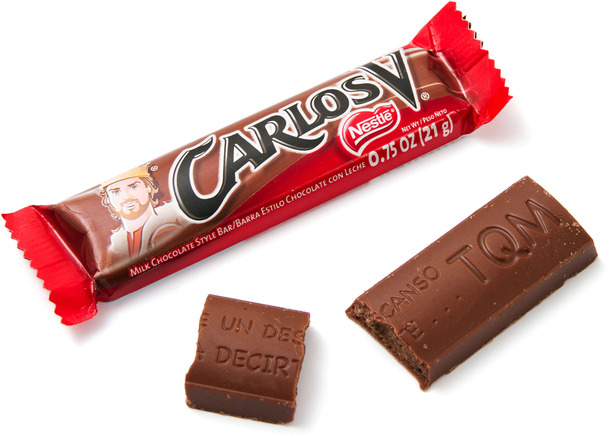
Mexican Chocolate


Russian Chocolate


German Chocolate

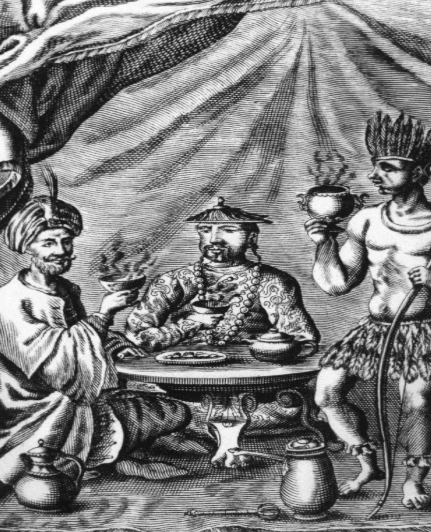
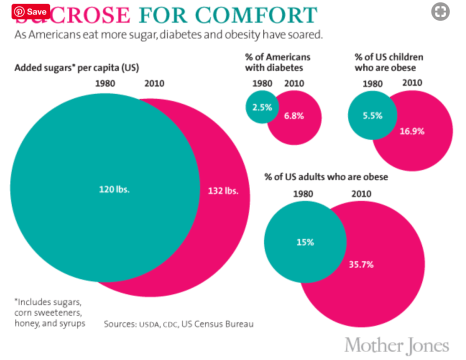
 “In Brazil, women, children and older slaves were apparently seen as particularly suited to the tasks of cocoa farming, with the results that elite planters bought more female than male slaves in the nineteenth century”
 Typically, chocolate consumption and production are not associated with unethical practices. Holidays and celebrations are usually events that require it, but the reality of how this sweet treat is produced is, well, not so sweet. The supply of chocolate is possible through the exploitation of children laborers. This form of labor can be very cruel and unfair to the children and is considered the equivalent to modern day slavery.
 Cuyagua Unit Blog